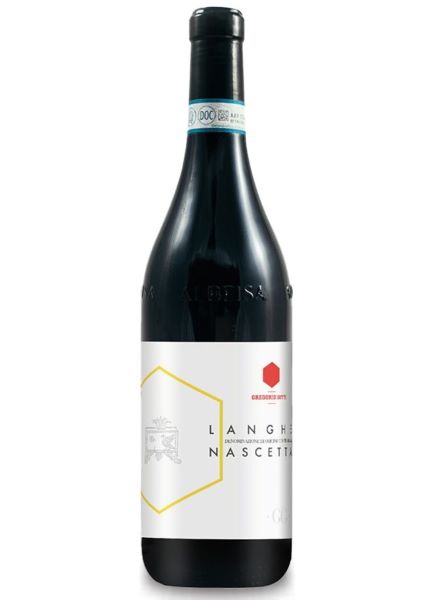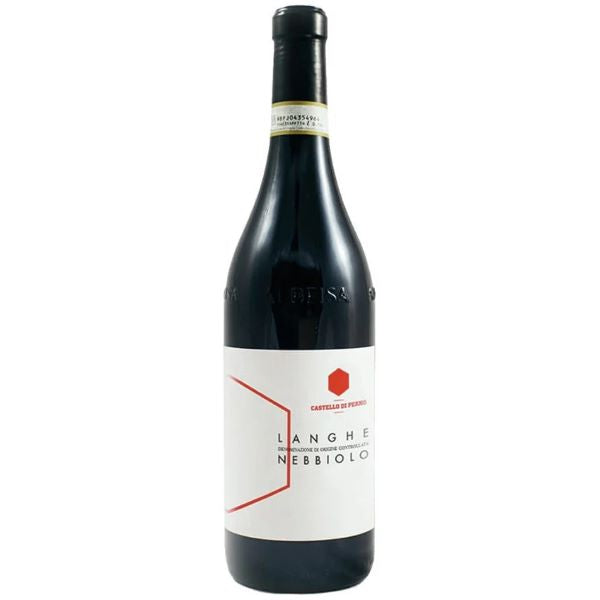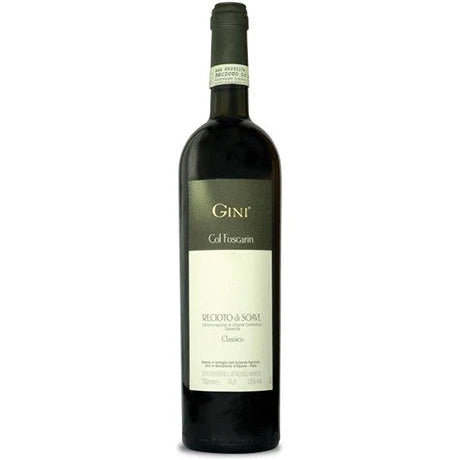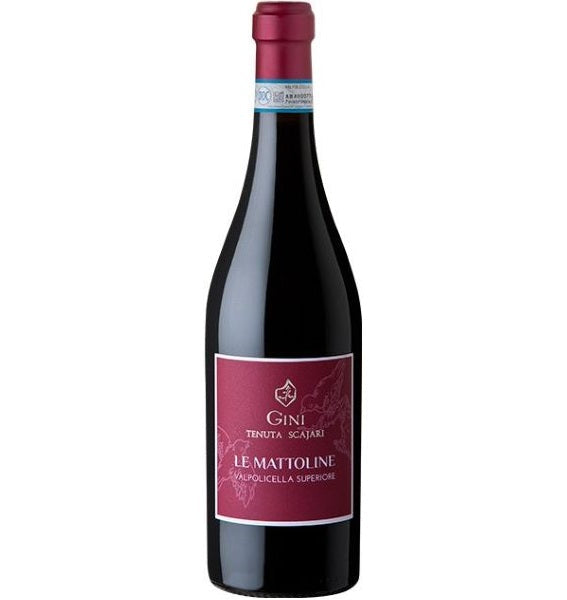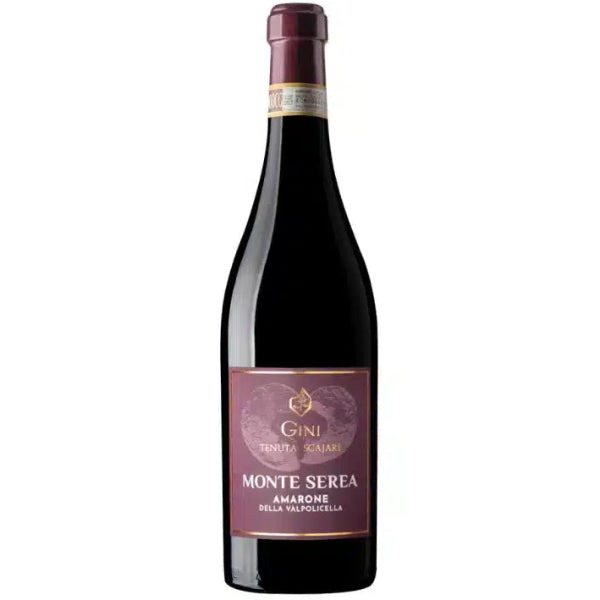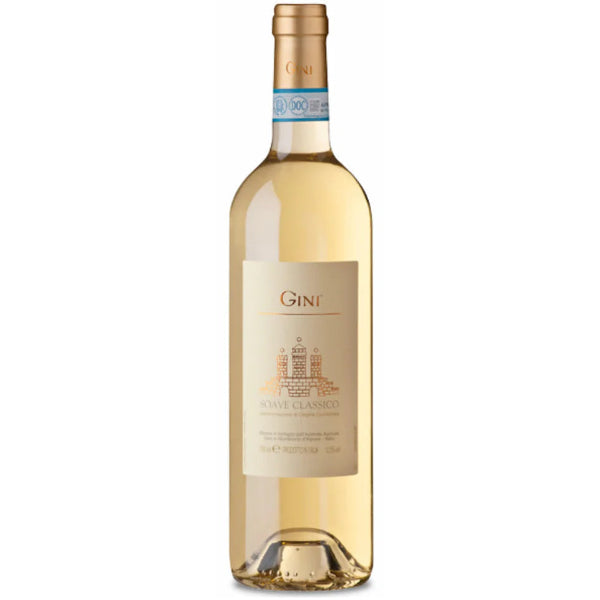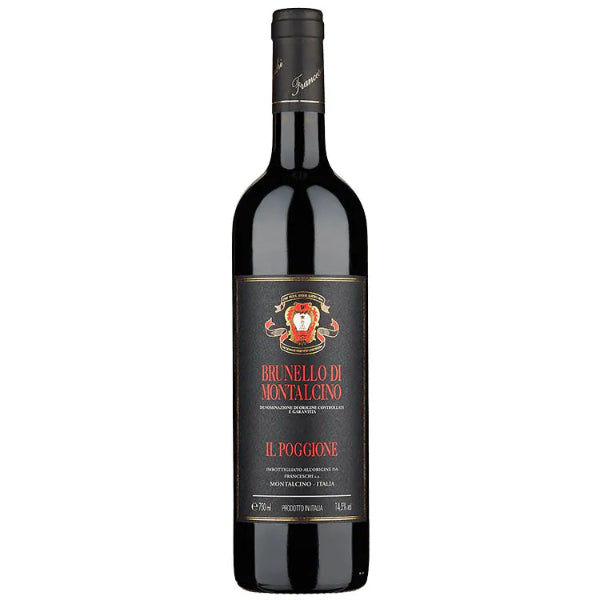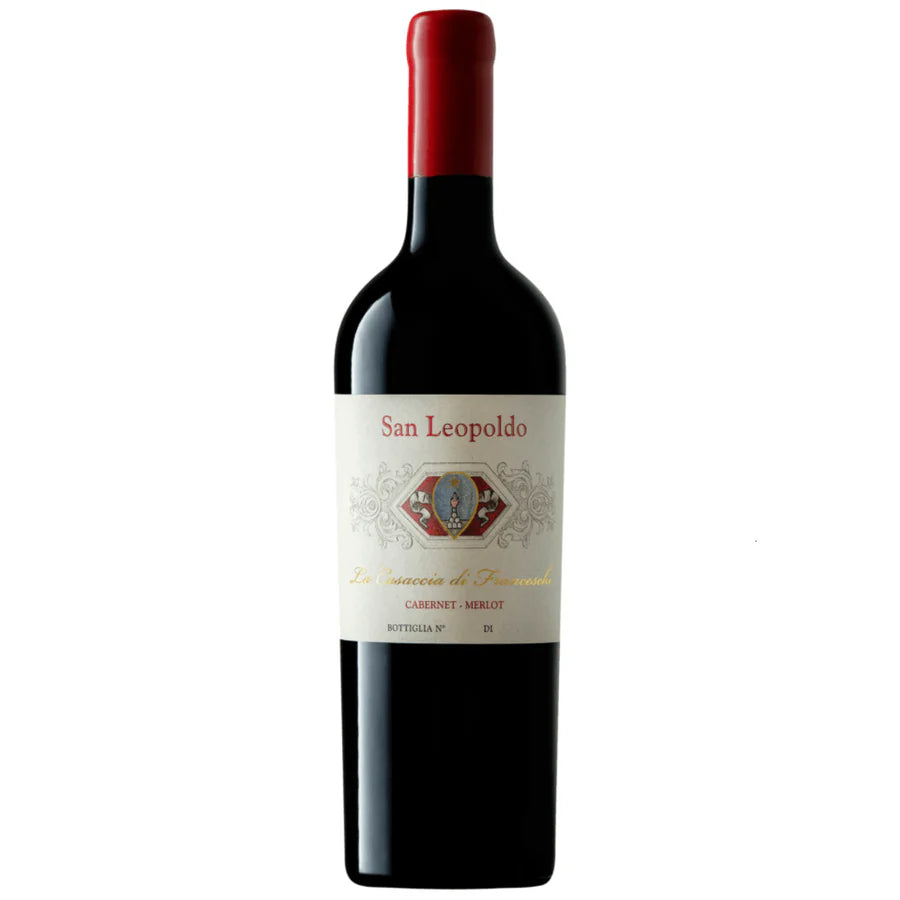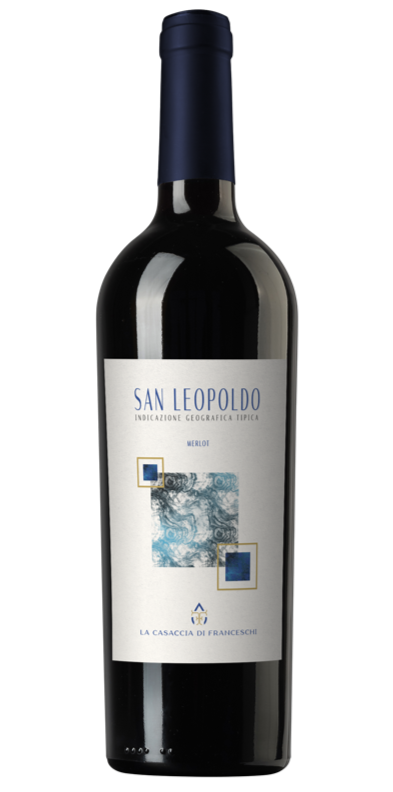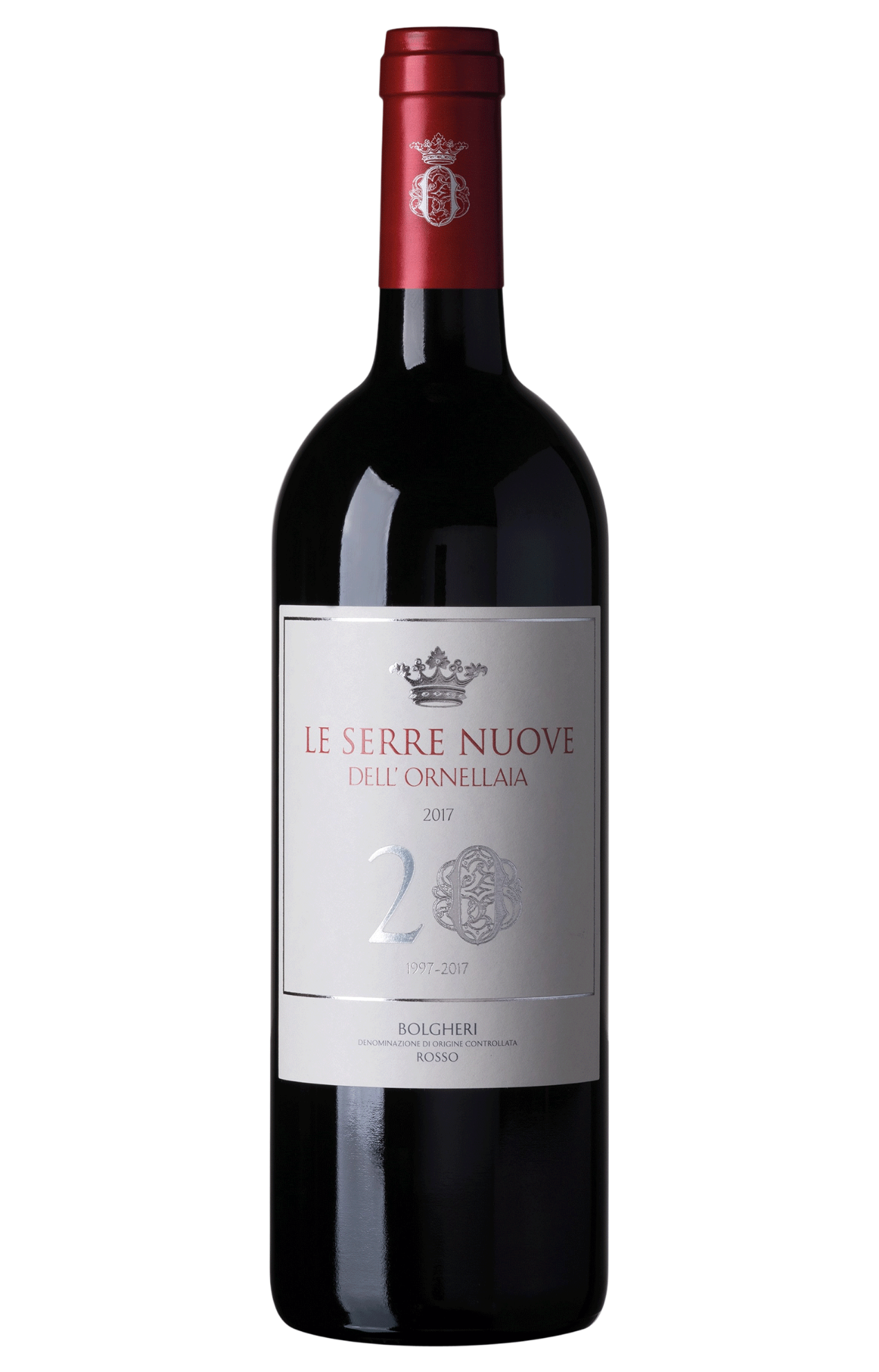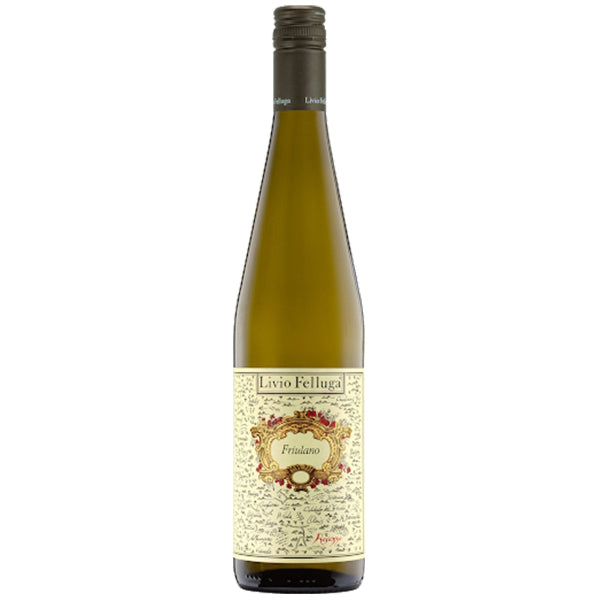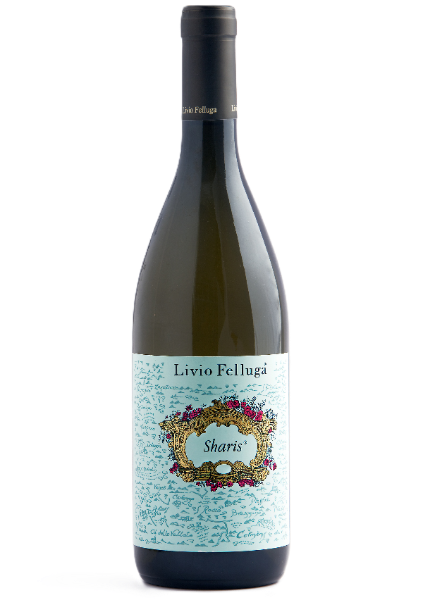
The home of Chianti, Barolo, Prosecco, Valpolicella, Soave, Orvieto, Etna, Italy has a rich and diverse wine heritage dating back more than four thousand years. Famous for its bewildering diversity of both grape varieties and wine styles, Italy is also significant for the sheer volume of wine it produces: just over 5.6 billion liters (around 1.5 billion US gallons) in 2018, from 695,000 hectares (1.7 million acres) of vineyards.
It is rivaled in this regard only by France and Spain, and in 2018 the country produced roughly 19 percent of the world's wines.
Managing and marketing such a vast wine portfolio is no easy task, particularly in today's highly competitive wine market. The Italian government's system of wine classification and labeling uses a four-tier quality hierarchy made up of more than 500 DOCG, DOC/DOP and IGT titles. See Italian Wine Labels.
Italy is divided into 20 administrative regions, all of which produce wine, and all of which contain several wine regions. The most significant, when both quality and quantity are taken into consideration, are Tuscany, Piedmont and Veneto.