
Castello di Perno: A Neoclassical Vision in Piedmont
Castello di Perno is a rising star in the heart of the Langhe, located in the village of Perno within the commune of Monforte d’Alba. Once the secondary headquarters of the legendary Einaudi publishing house (and a retreat for writers like Primo Levi), the estate was revitalized in 2012 by Milanese lawyer Gregorio Gitti. Today, it stands as a unique "cultural-viticultural" hub where contemporary art meets a "neoclassical" approach to winemaking.
The Philosophy: Neoclassicism and Purity
Winemaking is overseen by the highly regarded Gian Luca Colombo, who focuses on elegance, freshness, and territorial transparency.
-
Neoclassical Style: The estate respects traditional techniques—such as long macerations and the use of large Austrian oak botti—while embracing modern precision to ensure the wines are vibrant and "drinkable" even in their youth.
-
Organic Viticulture: The 14 hectares of vineyards are farmed organically, with a focus on biodiversity and the natural health of the soil to combat the challenges of a warming climate.
-
Minimalist Intervention: Grapes are fermented with ambient yeasts in stainless steel or concrete, preserving the primary fruit and the specific mineral signature of their Monforte and Nizza crus.
The Wine Collection
-
Barolo Castelletto: The estate’s flagship, sourced from the steep Castelletto cru. It balances the power of Monforte's clay soils with the mineral elegance typically found in neighboring Serralunga.
-
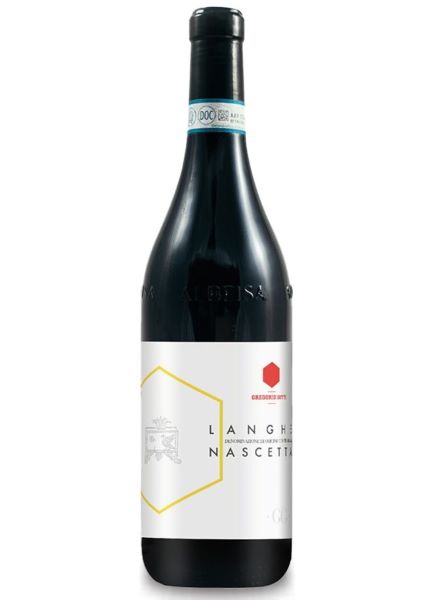
Langhe Nascetta: A standout white wine made from the Langhe's only native white variety. It is celebrated for its saline minerality, floral aromatics, and surprising aging potential.
-
Nizza DOCG: A high-altitude, concentrated Barbera from 80-year-old vines, showcasing the complexity and structure that this variety can achieve in its pre-eminent sub-region.
-
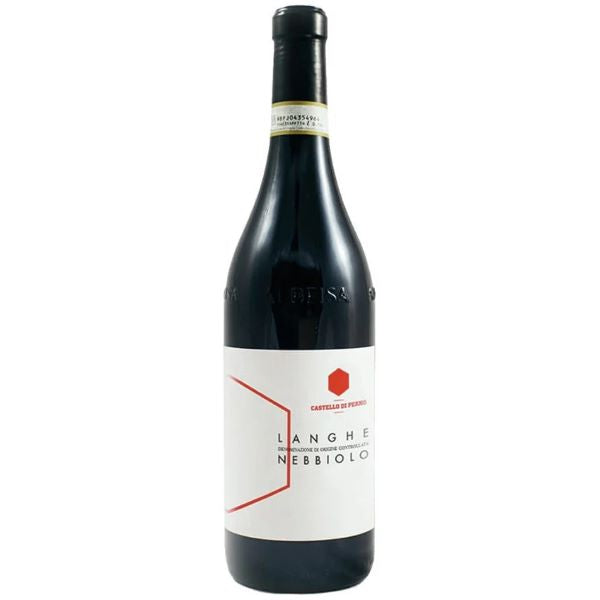
Langhe Nebbiolo: Often sourced from the Gramolere cru, this wine is designed to be "ethereal and sumptuous," offering a more accessible but no less sophisticated look at the Nebbiolo grape.